Development Environment

Trends

Summer Colors

The Best 2025 Summer Colors For a Trendy And Lively Home

Do you feel like your home needs a summer update? Then this comprehensive guide to the best 2025 Summer colors might be just what you need. When keeping up with trends, colors are something that fluctuates very often in terms of being “trendy” or “out-of-date, since colors are very powerful elements in interior design, since they are one of the easiest ways to change a room’s overall feeling and ambience. Keeping color theory in mind, it’s quite easy to make a room feel more soothing, lively, fun, etc, by using certain colors in the furniture, decor, wallpapers, rugs, and in other ways as well. Today, we’ll be looking at the summer colors that have been trending the most in the world of interior design, and what emotions they emanate, as well as how to use them in your own projects. Earthy Colors Earthy colors and tones have been particularly popular for quite some time, since they tend to give a soothing and relaxing feel to the room, while also maintaining a sense of proximity and connection to nature, which challenges a bit the more modern trend of straying away from nature, like we see in the big cities. In terms of usage as summer colors, earthy tones include lighter and darker shades of brown, paired with a few warmer colors, like orange and red, and a few green colors, to aid in the process of creating a reminiscence of nature. If you want to use these summer colors in your own projects, earthy colors are some of the easiest ones to use, as they are easy to combine with different design styles and other colors, not to mention that the rugs and furniture that fit into this particular color palette are also fairly common and easy to find. Green Colors Another color theme that has been surging more and more often, (usually also paired with earthy colors) is the color green, normally in darker tones of green, meaning that these, unlike the last summer colors we saw, aren’t the main focus of the room, serving as a complement to enhance the room’s overall feel. Summer colors also have a tendency towards colder colors, in order to give a more refreshing feel to the room, serving almost as a way to escape the extreme heatwaves that have been occurring, turning these rooms into places of relaxing refuge from the heat. Different shades of green obviously serve different purposes, but the trending green color right now is a darker shade of green, as seen in the photos above. White Colors Seems like white is a color that is always popular and trendy, since it’s usually a very versatile and dynamic option, which can bring upon many different types of emotions to a room. We usually associate white with being a very minimalist color, since it is a staple piece of the minimalist design style, but it can also be used to transmit feelings of sophistication, calmness, relaxation, and many other things, although the reason we chose it as one of our summer colors since it brings a cool, sophisticated feeling to any home. White is a very dynamic color, as we mentioned before, and anyone can use it by mixing white rugs and furniture with other colors, like light blue, light green, and even the earthy tones that we mentioned before, in order to make the room you want in the best way possible. And with that, there are some of this summer‘s greatest picks for trendy interiors. Earthy tones bring about a breezy, natural relaxation to any room, along with a beautifully soothing aesthetic, while green tones further bring out that natural feeling that interior design trends have been leaning towards, and to finish things off, white is a great option to complement any room with a more sophisticated and elegant feel. If you felt inspired by these summer colors and want to use them in your next project, consider looking into Tapis Studio‘s options for rugs using these colors. Source: Luxe

12 Green Room Ideas That Bring Sophistication, Style, And Serenity

12 Green Room Ideas That Bring Sophistication, Style, and Serenity

Looking for inspiring green room ideas? These handpicked spaces balance timeless elegance with fresh, trend-forward design. In recent years, green has emerged as the ultimate neutral, balancing luxury and earthiness with incredible versatility. Whether you’re looking to add calmness to a bedroom, vitality to a living space, or a bold statement to a dining area, the right shade of green can completely transform a room. From soft sage to deep emerald, these curated green room ideas showcase how top designers use color, texture, and materials to create unforgettable interiors. 1. Hutley & Humm’s Coastal Cottage – Devon, UK    In this cozy living room, vertical paneled walls in soft sage are paired with built-in shelving and a rich green fireplace surround, offering a refined and layered take on rooms´ ideas. Deep navy boucle chairs with turned wood legs add texture, while a woven natural jute rug grounds the space with earthy warmth and contrast. Green room ideas: Use mid-tone greens on cabinetry for an organic feel and pair with marble for contrast. 2. CM Studio’s Art Nouveau Restoration – Paris In this luminous dining room, mint green walls create a soft, atmospheric backdrop for the sculptural wooden dining table and clean-lined chairs. A custom-carved beige rug with organic motifs echoes the flowing Art Nouveau lines seen throughout the space, grounding the design in tactile warmth. On the adjacent staircase, a neutral runner with soft green edging adds both elegance and continuity, drawing the eye upward while reinforcing the subtle green palette woven throughout the apartment. Green room ideas: Choose soft green tones to accentuate original features without overpowering them. 3. Stephanie Barba Mendoza’s Maximalist Bedroom – Antwerp  In this lavish sitting room, bursting with maximalist energy, vibrant green floral wallpaper sets the stage for a theatrical mix of textures and colors. The velvet green sofas, striped upholstery, and silk curtains contrast beautifully with the icy blue tufted sofa and bold red accents, including a fringed pink lampshade and crimson throw pillows. A leopard-print rug anchors the space, offering an unexpected grounding layer in an otherwise wildly decorative interior. Green room ideas: Play with ceiling colors as a fifth wall—painting it in green or blue adds unexpected depth. 4. Noor Charchafchi’s Mayfair Home – London Green is used with subtlety and precision in this quiet luxury home. Soft green panels in the main bedroom and palm-patterned plaster in a bathroom exude elegance. This refined palette is a perfect example of rooms´ ideas tailored for serene, high-end interiors. Green room ideas: Mix soft green finishes with gold or brass to evoke classic sophistication. Pairing green with curved architectural elements softens the space and adds a touch of femininity. 5. Mariana Veiga’s Upper East Side Apartment – NYC A vivid mix of forest green, cobalt, and apricot sets the tone for this Manhattan retreat. Maximalist wallcoverings and velvet-upholstered vintage furniture are balanced by serene moments throughout the home. A warm wood table and red velvet chairs add richness, while a simple natural fiber rug grounds the space with texture and warmth. Green room ideas: Use high-impact greens in one area and balance it with neutral materials or artwork in others. Deep green wall tones help anchor colorful decor and give rooms a curated, collected look. 6. Danielle Moudaber’s Clerkenwell Loft – London This loft evokes an enchanted forest-meets-modern cave aesthetic, where organic shapes and moody greens dominate. Screens made from chrome and silk soften the industrial architecture. In the bedroom, a fully upholstered green velvet wall, bed frame, and custom nightstand envelop the space in rich texture and tonal depth. Soft carpet and ivory bedding create contrast, allowing the green to shine while maintaining a luxurious calm. Green room ideas: Combine green with organic textures and sculptural elements for a soulful, earthy vibe. Use custom screens or textiles in green to soften hard lines in industrial-style spaces. 7. Sasha Bikoff’s Emerald Den – Brooklyn, NYC The dining space is a visual feast—walls, ceiling, and even the door are painted in a rich green, while a sculptural green marble pedestal table anchors the room. Lucite chairs with vibrant paisley upholstery sit atop a lush, floral-patterned rug, adding warmth and playfulness. Green room ideas: Let one intense green shade lead and build around it with materials like glass, stone, and chrome. Accent lighting or glass fixtures in mint or jade green can add a glamorous contrast to bold walls. 8. Filippo Calvagno’s Sage Fitzrovia Apartment – London In this serene bedroom, the natural materials and soothing color palette of sage green create a peaceful atmosphere. The dresser, with its smooth wood finish and geometric details, complements the warm neutrals in the room. The rug in the foreground, with its soft green tone, enhances the room’s tranquil vibe, perfectly fitting into the room’s ideas by balancing the space with a touch of comfort and warmth. Green room ideas: Use muted greens in compact spaces to maintain lightness while adding visual interest. Incorporate light-reflective surfaces like brushed brass or linen to amplify the soothing effect of sage green.. 9. Antonio Girardi’s Green-Filled Apartment – Rome Inspired by pine forests and Mediterranean flora, green hues are woven throughout fabrics, walls, and even the lighting. A dramatic bookshelf wall anchors the space, filled with books, art, curios, and a central framed portrait. The bold octopus-leg base of the glass dining table adds surrealist flair, while leather director-style chairs bring casual sophistication. Green room idea: Introduce colored glass or filtered lighting for a moody, immersive experience. A deep green rug under the dining table grounds the vibrant space, enhancing the forest-like ambiance. 10. The OWO Sage Apartment – London The room features a stately black marble fireplace, traditional molding, and a curated gallery wall. A deep charcoal velvet sofa and a bold tufted ottoman with stripe detailing anchor the space. The neutral palette is elevated by warm wood, sculptural ceramics, and a soft area rug underfoot that complements the muted green backdrop.Green room ideas: Choose a subtly patterned rug in …

Read more

Hamptons Style

7 Hamptons Style Rugs Suggestions To Beautify Your Home

Do you want your home to have a more elegant, yet relaxed aesthetic? If so, check out 7 of our best Hamptons style rugs to freshen up your home. If you’re familiar with the Hamptons Style, you would know it is one of the most dynamic interior design styles, since it blends multiple different styles and emotions. It manages to bring in aspects of minimalist decor and add it to the sophisticated, elegant features of other styles, such as contemporary chic. In this article, we’ll be showing you how to incorporate this style in your own home, using different types of rugs to your advantage. 1- Modern Figurative Rugs When it comes to Hamptons style homes, minimalism and the usage of neutral colors are extremely common practices among these types of projects, making them feel more simple and up-to-date when it comes to keeping up with trends. That being said, modern figurative rugs are abstract, minimalistic rugs that capture the essence of everything that makes a home feel modern and fresh, while keeping an abstract style with them to give a room more personality. Tapis Studio’s primitive collection features plenty of options for these types of rugs, from complex to simpler ones, to ensure they fit each project’s individual needs. 2- Geometric Rugs The usage of geometrical shapes, lines, and well-divided subsections in the furniture and decor is also a staple of the Hamptons style’s minimalist approach to interior design. Squares, rectangles, and even circles are all part of geometric rugs’ design style, often ending up in an overly even and rigid appearance, which makes a room feel stiff and inflexible. However, a wise approach to using these rugs can make a room feel much more lively and original, making it stand out and impress any guest. 3-Contrast rugs Creating contrast is a great way to make your Hamptons style home feel different and like a breath of fresh air if you’re not a fan of monochromatic houses. A small contrast, even if it’s just a thin, black line in a white rug, makes it instantly pop out and capture the attention of whoever gazes upon a room such as this one. 4-Earthy Rugs Another common theme in minimalism, and therefore, Hamptons style decor, is to further connect your home with nature through the usage of plants, eco-friendly materials, and earthy themes. Earthy rugs, in particular, can make grey, white, and other neutral colors stand out more, making your home feel much more lively and welcoming, ready to accommodate your friends and family. 5-White Rugs You really can’t go wrong with white, and this Hamptons style bedroom is a great example of how you can use a smooth, white rug, with a few details to add more personality, to bring out your room’s unique charm. A white rug is very simple to place and use, and our collection includes plenty of simple, yet unique versions that are sure to make a difference when designing your Hamptons style home. 6- Textured rugs Hamptons style is all about creating a relaxing, elegant, and sophisticated ambience surrounding the place you want to implement it in. That being said, it’s easy to fall into an overly simplistic aesthetic if you’re mostly using neutral colors and minimalist furniture, so adding texture can be a good way to add more personality, while remaining in a Hamptons style aesthetic. A textured rug usually uses some sort of relief to make a particular part of the rug stand out more than the other parts, usually in a different color or even with a different pattern, making them a versatile addition to any part of your home. 7-Uniquely Shaped Rugs Most of the rugs we have seen so far have been mostly round, oval, square, and rectangular shaped, but there are plenty of other options that stray a bit from the ordinary, for when it comes to rugs. A rug with an irregular shape is a great way to give a unique touch to your Hamptons style home, making it contrast with the more regular shapes you see in the room, namely in the furniture and the decor. If you combine this type of rug with neutral color palettes, different types of textures, and visually appealing pieces of decor throughout the house, you’ll be sure to catch the eye of whoever is passing by. Those were 7 of our best suggestions on which rugs you should use if you want to make a stylish, yet welcoming Hamptons style home project. If you felt inspired by our suggestions, make sure to take a look at our collection of Hamptons style rugs at Tapis Studio. Source: Luxe Photography by Marco Ricca and Alan Barry

Round Rugs

Round Rugs: 5 Brilliant Ideas On How To Place And Use Them

Do you feel like your home needs a makeover? We’re going to show you how you can do so by simply using round rugs to their full potential. 1- Place the rugs under circular/curved furniture When it comes to using round rugs to their full potential, one of the things you should use the most to your advantage is their smooth, round shape. When decorating a room where you want to include round rugs in the decor, you should try to choose furniture that complements and matches the rugs’ shapes and aesthetic, which means that curved or circular furniture should be your pick. Take these living rooms as an example. Notice how almost all the furniture in this room is round and curved; from the table to the armchair, they blend in with the expressiveness and aesthetic of the round rugs. 2-Soften angular rooms and create contrast If you have a room where sharp lines and rigid geometry, which are especially common in square rooms and modern interiors, round rugs can give a much more fluid and calming feel to the room. By mixing soft and round shapes with your room’s naturally acute edges, you’re creating visual contrast, which can be used to easily divide themes and different aesthetics in your house, as well as to create new and exciting combinations that will be sure to bring a breath of fresh air to your home. In these rooms, we can see straight lines are pretty dominant, and more cubic shapes are being used for the sofa, chairs, and other pieces of furniture and decor, making it very refreshing and interesting to see the contrast made by the rug. 3-Highlight specific areas of your room If you’re having issues defining small areas in open-plan spaces, round rugs can also be used to help delimit these small spaces by using their circular shapes to visually separate an area without having to use walls. This is especially helpful for studio apartments, lofts, or even open living-dining combos, where dividing spaces with walls isn’t always an option due to the lack of available space. Here we can see how the living room and the dining room are divided by the rug in the middle of the room, completely changing the ambience in between these two spaces. Of course, for even bigger rooms, this is something that would be even more important in order to make sure different sections don’t mix, keeping them neatly separated, making this a very helpful use for round rugs. 4- Make your room even more interesting using texture and patterns If you think your room still feels a little dull, maybe you need a few textured round rugs with interesting colors and patterns that will add more depth and personality to your room. Make sure to use your creativity to its fullest potential and experiment using different colors, positions, decor pieces, and furniture to make your room as lively as you want. In these rooms, round rugs were used to make the room’s color and personalities stand out, along with the astounding pieces of decor and furniture that together made truly unique and lively rooms. Notice how the colors of the rugs are also an essential touch to the room since they reflect the warm ambience that these rooms irradiate, through their usage of browns, reds other warm colors. 5-Use your room’s architecture to your favor Make sure to take advantage of your room’s natural curves, windows, doorways, staircases, ceilings, and all of the architectural features you can use to your advantage to match your round rugs. Make sure you use rugs that match the overall aesthetic that your room is going for, or else it will feel like something that’s not a part of the space, making it stand out for all of the wrong reasons. Notice how the dominant brown colors in the first room are also present in the rug in the center, which makes it fit with the overall rustic and classical aesthetic of this room. The second room, on the other hand, also uses a rug with a similar color palette to the rest of the room, in order to keep a balance in color and in the general theme of the room. And now you know how to optimally use round rugs to decorate, give a new personality, look, and a If you feel inspired by this article, we recommend you check out our incredible selection of round rugs at Tapis Studio.

Geometric Rug

How a Geometric Rug Is The Key To These 5 Amazing Projects

Discover these amazing designers’ unique takes on how to beautifully apply a geometric rug in their projects for the London Showhouse. Born as London’s answer to New York’s Kips Bay Decorator Show House, WOW!house is now a highly anticipated event, now in its fourth consecutive year, for interior designers from all around the world. Like last year, the event is once again partnering with United in Design, which is an organization dedicated to creating and increasing opportunities for young and emerging creatives who come from underprivileged or underrepresented groups, and so, not only will a portion of the ticket sales will go directly into funding for this organization, but some of these disadvantaged creative’s work will also be incorporated into the rooms in this event. Here are some of the best projects in this event that used a geometric rug to put the audience in awe. Chad Dorsey Design: Warm and Social The entire room is beautifully decorated with flower-like patterns, plants, and other classical elements, as we can see with the usage of decorative elements such as the piano, but also in the furniture that has been chosen. Chad Dorsey chose to include warm colors, such as brown, yellow, and beige, for the geometric rug he chose for this room, which made it so that it perfectly matches and complements the surrounding themes present in the room. The drawing room Dorsey designed has this warm, welcoming feel to it, which makes us feel like we are somewhere that´s chic and educated, but also oddly convivial and inviting. “I looked toward William Morris, Harold Falkner, John Ruskin and the Arts and Crafts movement that began in the eighteen hundreds in the UK and then expanded to the U.S.” -Chad Dorsey Alex Dauley: Escapism Tied in a Luxurious Bow For British designer Alex Dauley’s media room, she took inspiration from hotel lounges and smoky jazz bars, which is where the idea to use this wavy yet geometric rug came to life. She wanted to give the room a sensual, luxurious, and modern appeal, with the main goal being to depict a couple’s retreat to somewhere they escape from reality and read, chat, listen to music, or just watch a movie. When it comes to the geometric rug present in this room, its purpose is more to mimic and follow the sofa’s shape, and to make us reminisce and think of the sea and the beach. The patterns that are present in the rug are relatively simple, since they depict a wave-like pattern, paired with small circles, stripes, and overall colder colors than the rest of the room. It’s almost like the presence of this geometric rug is supposed to make you cool off and relax in a room that is trying to warm you up and make you lose yourself in thought wth all of its beautiful decoration pieces, which serve as a beautiful contrast in this project. Alessandra Branca: Glamour meets Exotic U.S.A.-based designer Alessandra Branca took heavy inspiration from glamorous drawing room designers such as Renzo Mongiardino, as well as the British-inspired canopy beds, which made this guest room feel like a different, exotic yet quiet place, almost like a palace. To match the almost Victorian aesthetic Branca chose for this room, the floor is completely covered with an, at first glance, unapparent geometric rug, but once you set your eyes on it, you understand immediately why this was the rug chosen. A geometric rug, with its lines, brown and red colors, as well as its overall classical pattern, is just what Branca needed to blend the wallpaper and the floor, as well as the art pieces that are hung on the wall, with the rest of the room. “A guest bedroom is a wonderful way to indulge your favorite people while also having a little fun yourself” -Alessandra Branca Nicola Harding&Co: Letting Your Imagination Run Wild For Nicola Harding’s powder room, she decided to use plenty of different shapes, patterns, and colors, but with a focus on using Moroccan-inspired tiles and some focus on the Art Deco period, from which she makes plenty of references throughout her work on this room, most notoriously with the mirror wall. To fit in with the shapes and theme of this room, Harding chose a geometric rug with a beige, yellow, and brown color palette to match the red wallpaper and furniture in the room, but also to create a stunning contrast with the turquoise tiles on the floor. To Harding, it was extremely important that this room wouldn’t feel functional, which was her main motivation factor when it came to letting her wildest ideas come to life and putting her personal touch on this piece. Peter Mikic: Putting the “Wow” in WOW!house Interior designer Peter Mikic says: “The dining room is an area that’s always a favorite of mine, and approaching this project, we wanted ours to feel super luxurious but also convivial.”, and to do so, Mikic chose to incorporate plenty of elements that would induce comfort and relaxation, namely the round furniture and cozy, warm colors that we can find in this dining room. While the geometric rug does bring out the overall theme of this room to the world even more, due to its splendid usage of lines, patterns, and smooth pastel colors that blend in with the vibrant yellow we see on the walls, as well as with the colors of the rest of the elements in the room, namely the furniture.- Mikic wanted to mix in a few futuristic elements to contrast a bit with the geometric rug and the other more contemporary pieces in this dining room. “The ambience is one of glamour, and we were focused on creating a real wow factor, which is what the event is all about.” -Peter Mikic  Did you feel inspired by how a simple geometric rug changed the ambience and aesthetic of these rooms? If so, we recommend you explore our options at Tapis Studio. Source: 1stDibs Photography by Felix Speller

Dopamine Decor, Magenta Unique Shaped Rug, Saturated Colors, Luxury Interior Design

Dopamine Decor: 5 Ways to Energize Your Home with Colorful Rugs  

Choose Rugs That Spark Joy and Personal Expression In a world increasingly focused on wellness and emotional well-being, dopamine decor has emerged as more than just a fleeting trend – it’s a lifestyle choice. Rooted in the desire to bring joy, comfort, and personality into our everyday environments, dopamine decor leverages color, texture, and sentiment to uplift the spirit. And what better way to embrace this than through the expressive power of colorful rugs?  Whether revamping a single room or rethinking your entire home, dopamine decor encourages you to start with what feels joyful and authentic. In the words of Angus Buchanan, founder of Buchanan Studio, “People are craving character and optimism in their spaces, something that carries an emotional connection for them”.  Let’s explore five ways to use colorful rugs, especially those from Tapis Studio, to transform your interiors into vibrant, mood-boosting sanctuaries.  1. Start with One Joyful Piece  Angus Buchanan advises: “A joyful space doesn’t need to shout, it just needs to feel lived-in, authentic and personal.” Start by selecting one colorful rug that immediately lifts your mood. Whether it’s the vibrant geometrics or painterly strokes of a Tapis Studio piece, this rug can become your design anchor.  The idea is not to decorate but to curate a feeling. A rug with radiant yellow, coral, or teal tones can infuse a room with sunny optimism and serve as a springboard for surrounding decor.  Tip: Choose a rug that speaks to a memory or emotion—something you’d want to live with for years. That’s the difference between dopamine decor and fleeting trends.  2. Use Color Psychology to Craft Emotional Zones  Color is more than visual—it’s visceral. In dopamine decor, hues are chosen not just for aesthetics but also for the emotional energy they evoke.  Interior designer Marta de la Rica, known for her joyful compositions, loves using color to evoke emotion: “I love bringing [dopamine decor] into a space through joyful color combinations—especially unexpected pairings like mustard yellow with dusty pink, or terracotta with a splash of Klein blue.”  Tapis Studio offers bold yet balanced rugs that align with this philosophy. Think warm sunset tones for relaxation zones, or vibrant multi-colored abstracts to inspire creativity in workspaces.  Tip: Use rugs to define emotional zones in your home—blue and green for calm corners, red and yellow for energy hubs.  3. Layer, Mix, and Match for Texture and Depth  According to de la Rica, “Layering textures, mixing vintage finds with contemporary design, and always leaving space for something playful” brings warmth and personality to a room.  Rugs are an ideal medium for this. Layer a small, richly patterned Tapis Studio rug over a neutral sisal or jute base to create depth and tactile variety. Or combine different rug shapes—a circular motif over a rectangular base—to disrupt the expected and inject playfulness.  Tip: Combine an old and new pair of vintage coffee tables with a modern, bright rug to add surprise and dimension.  4. Let Rugs Tell a Story (And Reflect Your Own)  Dopamine decor is deeply personal. Lauren Geremia of Geremia Design says, “Design should be something intrinsic to your character, history and associations—it should make you smile.”  Let the story show whether it’s a rug that reminds you of a childhood trip or one that includes cultural patterns from your heritage. Tapis Studio’s collections include hand-tufted and digitally printed pieces that often feel like modern art you can walk on.  Tip: Include rugs with symbolic meaning, custom artwork, or narrative patterns that reflect who you are.  5. Bring in the Art of Surprise  Dopamine decor thrives on the unexpected. “We love to get the whole family involved!” says Geremia. “The result is often surprising and fresh, sparks a lot of happiness, and feels especially personal.”  Incorporate rugs with unexpected details—maybe a pop of neon pink in an otherwise muted palette or a design that mimics abstract art. These design twists awaken curiosity and invite joy.  Tapis Studio excels at creating rugs that feel both intentional and playful—perfect for the surprise elements that dopamine decor is known for.  Tip: Add a small, punchy rug in a hallway or reading nook where it’s least expected. It’ll create a mini moment of delight.  Why Tapis Studio Is Made for Dopamine Decor  Tapis Studio’s curated collections align perfectly with dopamine decor’s core principles: color, emotion, and story. Their rugs don’t just decorate; they activate—your creativity, your joy, and your individuality.  From vivid primary color palettes to expressive, hand-crafted textures, each rug becomes an artwork in its own right—one that speaks to the soul of your space.  Design with Feeling, Not Just Style  At its heart, dopamine decor isn’t about matching colors or copying Pinterest boards. As de la Rica suggests, it’s about asking yourself: What brings you joy?  Let that emotion guide you, whether it’s a rug, a print, or a family drawing pinned to the wall. In doing so, you’re not just decorating a house—designing happiness.  Ready to embrace dopamine decor? Start with a colorful rug from Tapis Studio, and let your interior reflect the most joyful version of you.  At TAPIS Studio, dopamine decor is more than a trend—it’s a design philosophy rooted in emotional connection and interior joy. Each colorful rug is crafted as a vibrant expression of personality, bringing aesthetic beauty and emotional resonance into your space. Whether you’re looking to amplify bold styling or add warmth to a minimalist room, TAPIS Studio’s rugs offer a perfect blend of visual impact and emotional design. Explore the collection to find the piece that brings happiness to your home—and tells your unique story. Source: net-a-porter.com

The Living Room Features A Graphic, Colorful Rug That Grounds The Space. The Colorful Rug Interacts Dynamically With Plush Velvet Seating, Sculptural Side Tables, And A Medley Of Curated Art Pieces.

Colorful Rug Ideas for Vibrant Apartment Interior Design 

Explore how bold, colorful rugs can anchor your space and unify your interior design. Few elements in interior design hold the transformative potential of a colorful rug. More than a floor covering, it can anchor a space, define zones, inject personality, and tie disparate design elements into a cohesive whole. This principle comes to life spectacularly in a whimsical, art-inspired apartment in New York City’s NoHo district, where bold patterns, layered textures, and a symphony of colors come together in a visual masterpiece.  At the heart of this apartment’s aesthetic story is the deliberate and masterful use of the colorful rug, each piece thoughtfully selected to elevate the room it inhabits. Interior designer Isy Runsewe, known for her eclectic and globally inspired approach, demonstrates just how integral rugs can be to expressing individuality in interior design.  A Colorful Beginning: Design Rooted in Rugs  The journey began with a singular design spark: a bold red-and-teal rug discovered on Instagram. While this exact piece wasn’t chosen for the final layout, it ignited the vision for the entire apartment. The vibrancy of that rug set the tone for the color palette, becoming a foundation for the creative process.  Runsewe’s background in fine art is evident in how each room is approached as a composition. Much like a painter uses a canvas, she used each colorful rug to layer energy and identity onto the space, balancing visual stimulation with harmony.   Living Room: A Rug as a Design Anchor  The living room features a graphic rug that grounds the space amid an exuberant palette. Shades of teal and crimson pop against a whitewashed floor and walls, creating a gallery-like environment that lets each design choice breathe. The rug serves not only as a grounding feature but also as a conversation starter.  The colorful rug interacts dynamically with plush velvet seating, sculptural side tables, and a medley of curated art pieces. This balance between soft and structured, playful and refined, is a testament to the rug’s anchoring power.  Dining Room: Whimsy on Display   Nestled in a serene oak grove, the living room masterfully blends softness with structure. A custom curved sectional anchors the space, wrapped in textured upholstery that echoes the warmth of the floor-to-ceiling beige wool curtains. At its center, a sculptural Christian Liaigre coffee table adds quiet sophistication, while the plush, custom wool rug beneath mirrors the room’s neutral palette with subtle depth. The harmonious contrast between tactile softness and architectural elements, such as the clean-lined built-ins and layered artwork, creates a space that feels both grounded and gracefully refined. Guest Bedroom: Bold and Intentional  Runsewe doesn’t shy away from using statement-making wallpaper or saturated colors in the guest bedroom. A richly patterned rug amplifies the palette while adding comfort underfoot. In a room designed for visitors, the rug is not just functional—it’s part of the visual welcome, introducing bold red and teal tones in continuity with the rest of the apartment.  This thoughtful use of a colorful rug ensures each element in the room, whether furniture, bedding, or artwork, feels intentional and aligned.  Lounge Area: Curves and Color Harmony  The lounge space is all about softness—rounded silhouettes, cozy textures, and organic movement. The bouclé sectional curves gently around nesting tables, and the wallpaper mimics flowing waves. A rug with curved motifs and muted tones is chosen to unify these elements. The result is serenity, not clutter.  The colorful rug here quietly performs its role—uniting the room’s shapes and tones without overpowering the soothing palette. It’s a reminder that vibrant doesn’t always mean loud.  Office: Energizing with Color  The home offices are often practical and subdued, but not in this apartment. A green-and-white striped ceiling energizes the space, while a mustard desk chair adds warmth. Beneath it all? A playful, striped, colorful rug that ties it together.  The rug’s palette reinforces the ceiling’s geometry while breaking up the visual verticality with horizontal flow. This dynamic interplay would fall flat without the colorful rug anchoring and energizing the composition.  Why the Colorful Rug Is a Design Essential  Across this New York apartment, the colorful rug is a design linchpin. Its benefits are numerous:  How to Choose the Right Colorful Rug   When incorporating a colorful rug into your design, consider the following:  Making a Statement, One Rug at a Time  In urban environments like New York, where floor plans are compact and natural light is precious, the rug becomes an especially powerful tool. It can brighten a dim room, suggest visual boundaries in multifunctional spaces, and express personality in ways paint or furniture cannot.  Designer Isy Runsewe’s work in this apartment proves that rugs are far more than decor—they’re functional art. Using a colorful rug as a central design device in each room, she added aesthetic harmony and created a vivid, immersive living experience.  Grounded in Style: How Rugs Transform a Space  A well-chosen, colorful rug has the power to transform any space. It anchors, defines, softens, and enlivens a room. Whether you live in a sprawling home or a compact apartment, embracing rugs with bold hues and expressive patterns can elevate your design to a new level.  Start from the ground up if you’re curating your home with a focus on character and cohesion. Invest in a colorful rug, and let it guide your interior journey—just like the vibrant rugs that sparked a complete design transformation in this unforgettable New York apartment.  At TAPIS Studio, the philosophy goes beyond aesthetics—each colorful rug is crafted as a meaningful expression of identity and space. Much like how vibrant rugs brought cohesion and charm to a whimsical New York apartment, TAPIS Studio’s custom designs are curated to ground interiors with elegance and soul. Whether you’re seeking to add depth to a minimalist layout or amplify bold styling choices, the right rug can offer both visual impact and emotional resonance. Explore TAPIS Studio’s collection to find the piece that tells your story. Source: luxesource.com

Rug Color Trends to Elevate Your Space in 2025

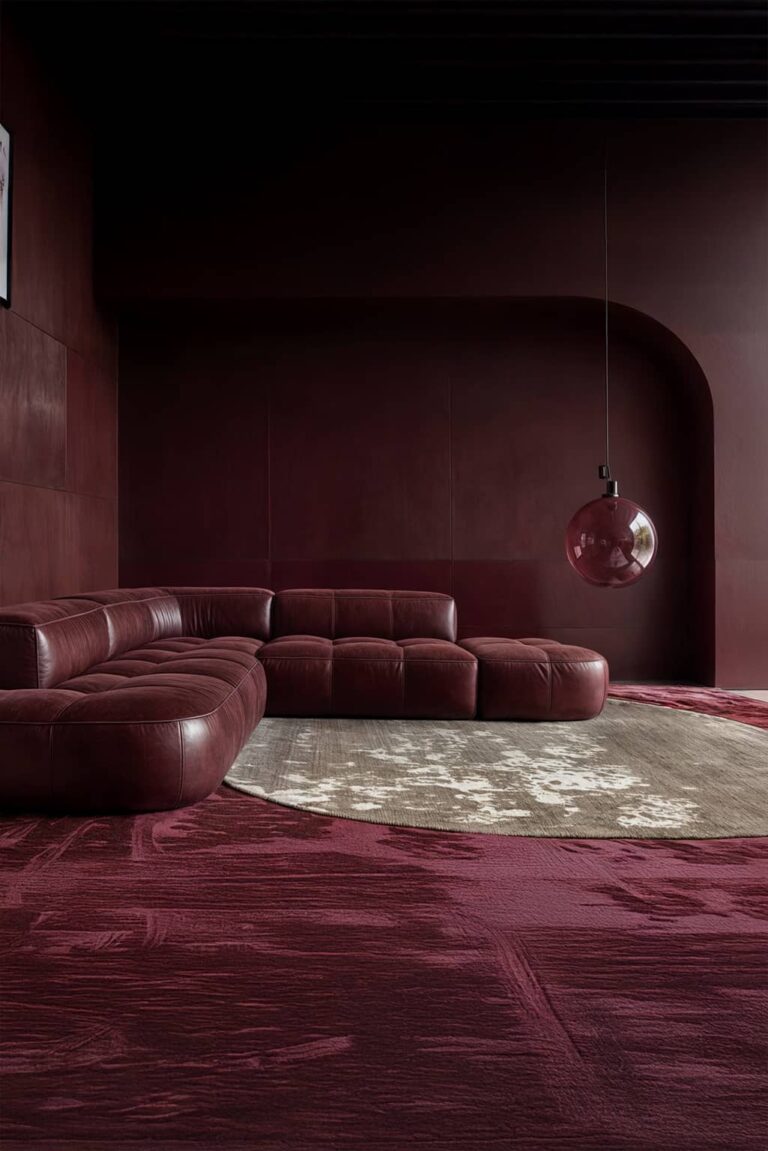
Explore 2025 rug color trends: a journey through textures, emotions, and style to transform your space with vibrant hues and thoughtful design. As we step into 2025, the world of interior design is embracing a vibrant palette that reflects our collective desire for comfort, connection, and creativity. From the soft glow of butter yellow to the deep allure of oxblood red, each color trend is more than a fleeting fad—it’s a reflection of emotional well-being, sustainability, and cultural shifts. These color trends offer more than aesthetic upgrades; they provide the foundation for personal expression and sensory comfort. Let’s explore the rug color stories shaping 2025 and discover how you can bring them to life through curated rug selections from TAPIS Studio—where color meets craft. Butter Yellow: The Warm Embrace of Optimism Butter yellow has become a staple color in 2025 interiors, appreciated for its soft, nostalgic tone that reminds us of morning sunlight and homemade simplicity. It works beautifully in kitchens, nurseries, and living rooms—spaces that benefit from brightness and emotional warmth. Try introducing this rug color trend with the Tapis Ginger Rug from TAPIS Studio. Its sun-kissed hue and subtle geometric weave are perfect for brightening up neutral floors. Place it under a pale wood dining table or beside cream-colored linen sofas for a cozy yet uplifting look. Add brass accents and woven baskets to enhance the sunny palette without overpowering the space. Olive Green: Nature’s Sophisticated Side Earthy tones are reigning in 2025, and olive green is a leading color. Evoking landscapes, forests, and natural textures, olive green bridges interior elements beautifully. It’s an ideal backdrop or accent for tranquil living spaces and studies. The TAPIS Citrus Rug from TAPIS Studio showcases this earthy rug color layered with soft browns, black and green. Ideal for a reading corner or beneath a reclaimed wood coffee table, this rug grounds the space and connects indoor environments with outdoor serenity. Combine it with off-white or terracotta ceramics, leafy plants, and jute accessories for an earthy-modern balance. Deep Red: Bold and Grounding Deep reds—from oxblood to clay-like terracotta—are making bold color statements in 2025 interiors. These intense shades radiate warmth and character and are perfect for rooms that aim to feel inviting, dramatic, or intimate. TAPIS Studio’s TAPIS Fig Rug embodies this rich rug color. With tribal influences and textured fibers, this rug acts as a statement piece in entryways or under a walnut dining table. It pairs beautifully with dark leathers, black iron lighting fixtures, and velvet upholstery. Use this color to frame a space, especially when working with monochrome or neutral backdrops that need warmth and identity. Water-Inspired Blues: Tranquility Through Tone Blue tones remain timeless, but in 2025, they arrive in airy, flowing, water-inspired color variations—think glacier blues, misty aquas, and deep lagoon hues. These color choices invite calmness and clarity, making them perfect for bathrooms, bedrooms, and creative studios. The TAPIS Retro 30 by TAPIS Studio is a standout, blending marine blues with abstract wave-like patterns. Use this serene color in a minimalist bedroom with white bedding and linen curtains, or in a bathroom with concrete finishes and chrome fixtures for a spa-like feel. Introduce soft textiles like muslin throws or plush velvet in navy to echo the aquatic color theme. Sea Salt & Soft Pink: Subtle Sophistication These light, barely-there tones are 2025’s new neutrals and essential additions to the color palette. Soft pinks and salty whites feel clean and modern but also emotional and tactile—ideal for mindful environments and open-concept spaces. The Tapis Magenta 17 Rug from TAPIS Studio layers chalky whites with dusty pinks in a textured weave that plays with light. Place this neutral rug color beneath a curved blush-toned sofa, or let it peek out from under a platform bed with beige linen bedding. Accent with rose gold fixtures, boucle armchairs, and soft lighting to build a tranquil, modern palette. Tips for Styling Rugs in 2025 Interiors When working with bold colors, color becomes a key tool to introduce or reinforce visual and emotional harmony. Here are a few ways to style your TAPIS Studio rug with maximum impact: The Power of a Colorful Rug A well-chosen rug color is not just decor—it’s a statement, a memory trigger, and a comfort zone. In 2025, rugs are increasingly becoming storytelling objects. They speak to craftsmanship, sustainability, and artistry—all expressed through rug color. TAPIS Studio understands this deeply. Each piece is a curated fusion of form and feeling, perfectly aligned with current and timeless rug color narratives. Whether your home is a serene retreat or a lively hub, there’s a TAPIS rug color that speaks your language. Conclusion: Bring the Rug Color Trends Home The 2025 color trends are about emotion, comfort, and authenticity—and there’s no easier way to invite them into your home than with a rug color that captures both the spirit and the shade. Whether you’re drawn to the optimism of butter yellow or the stillness of sea salt tones, TAPIS Studio offers a range of rugs designed to turn color into a lifestyle. Explore the full TAPIS Studio collection to find a color that doesn’t just match your palette—but enriches your space, elevates your design, and tells your story. Source: Vogue & Italian Bark

70S Interior Design Home.

70s Interior Design: Rugs That Shaped a Retro Revival

Explore how rugs defined 70s interior design, from shag to bold geometrics. Discover TAPIS Studio’s modern take on this timeless trend. The 1970s were a golden age for self-expression in interior design. This era was a rebellion against the streamlined modernism of the 50s and 60s, embracing instead a mix of textures, global influences, and a whole lot of personality. The rooms were drenched in saturated colors, the furniture lines were soft and curvy, and above all, the spaces felt warm, inviting, and lived-in. In the heart of this transformation were the rugs—bold, plush, unapologetically groovy. In 70s interior design, rugs weren’t just background players; they were stars of the show. They defined zones in open floor plans, introduced tactile contrast to hard surfaces, and reflected the personal tastes of homeowners who were embracing a freer, more relaxed lifestyle. Today, as this vintage style stages a powerful comeback, rugs remain the foundation of any space inspired by 70s interior design. The Soul of the 70s: Rugs as Visual Anchors Rugs in 1970s interior design played a crucial role in creating mood and flow. Homes of this era often featured open layouts, and rugs served as boundary markers for living, dining, and lounging areas. Designers used these textile pieces to ground furniture and to bring cohesion to otherwise eclectic spaces. Perhaps most memorably, rugs were used to introduce color and texture. Deep shag pile rugs in hues like burnt orange, olive green, and mustard yellow were practically synonymous with the decade. These textures invited bare feet and floor lounging, a stark departure from the more formal aesthetics of prior decades. Just as important as color and comfort was the ability of rugs to carry artistic expression. Psychedelic and geometric designs, inspired by art movements of the time, became hallmarks of 70s interior decor. A rug could echo the curves of a modular sofa or complement the organic vibe of macramé wall hangings and rattan furniture. Essential Rug Styles in 70s Interior Design 1. The Iconic Rugs When one thinks of 70s interior design, the image of thick, luxurious rugs often comes to mind. These high-pile rugs were not only visually inviting but also a physical symbol of the era’s comfort-first mentality. Whether in neutral creams or vibrant jewel tones, shag rugs transformed living rooms into cozy retreats. Their tactile allure was more than aesthetic. Rugs softened acoustics in the home, made floor-sitting comfortable, and stood in beautiful contrast to sleek wood or tile flooring. 2. Shaped Rugs A playful departure from traditional rectangular formats, shaped rugs emerged as a standout feature in 70s interior design. From circular and oval rugs to more experimental silhouettes like amoebas, flowers, or free-form curves, these rugs brought a sense of whimsy and softness to interiors. Their unusual outlines complemented the era’s love of organic shapes and fluid furniture designs. Shaped rugs were incredibly versatile. Designers often used them in boho-chic settings or eclectic spaces to break up rigid floor plans and add an unexpected focal point. Whether placed beneath a curved sofa or used to define a cozy reading nook, shaped rugs became both functional and sculptural elements, perfectly aligned with the playful spirit of 70s interior design. 3. Geometric Rugs Another major player in the decade’s rug landscape was the graphic geometric rug. These often featured angular patterns, concentric circles, or repeating motifs in contrasting colors. The style was a nod to both Art Deco and Op Art, creating dynamic focal points in the room. Paired with lucite coffee tables or modular sectionals, these rugs delivered impact and movement. They mirrored the energy of the disco era while grounding the space in structure. Materials and Craftsmanship of the Era The 70s saw an embrace of both natural and synthetic materials. Wool remained popular for its durability and texture, while new materials like acrylic and polyester offered greater color variety and affordability. Designers mixed the two freely, celebrating the authenticity of natural fibers but not shying away from artificial innovations. Handmade rugs also gained appreciation during this time. Artisanal craftsmanship was back in vogue, thanks to the countercultural interest in all things handmade. Tribal patterns, influenced by Moroccan and Native American styles, made their way into homes, often through handwoven or knotted rug designs. This international flair gave rise to eclectic spaces—mixing shag with flatweave, monochrome with saturated hues—creating the kind of layered aesthetic that defined 70s interior design. Modern Revival: Bringing 70s Rugs into Contemporary Spaces Today, 70s interior design is undergoing a full-blown revival, and rugs are once again central to this retro-modern style. The warmth, comfort, and nostalgia these rugs bring are unmatched, and they can be used in clever ways to suit today’s design sensibilities. For a minimalist home, a bold geometric rug becomes an intentional design statement. In a bohemian setting, layering a flokati over a vintage kilim brings both history and depth. Shag rugs in muted tones are now being used in modern interiors to add softness and break up the severity of clean lines. Incorporating rugs inspired by 1970s interior design allows homeowners to explore color and texture in ways that feel fresh, modern, yet distinctly nostalgic. TAPIS Studio: Curating the Spirit of the 70s At the forefront of the 70s design revival is TAPIS Studio, a brand that understands the cultural and aesthetic richness of the era. TAPIS Studio curates rugs that channel the spirit of 70s interior design, from high-pile textures to rich patterns with a contemporary twist. Their latest collections feature shag-inspired rugs made with updated colorways, perfect for the modern retro enthusiast. With a focus on craftsmanship, sustainability, and design integrity, TAPIS Studio bridges past and present, making 70s elegance accessible for today’s homes. Whether you’re designing a groovy lounge space or simply want a statement rug that captures that iconic vibe, TAPIS Studio offers pieces that resonate with the comfort, creativity, and individuality of 70s interior design. Step Into the Past: The ’70s Spirit Lives On The bold spirit of 70s interior design lives …

Read more

Milan Design Week 2025

Milan Design Week 2025: Powerful Aesthetic Trends

Discover the top trends and creative highlights that made Milan Design Week 2025 a groundbreaking moment for the future of design. Milan Design Week 2025 returned with a dynamic showcase of creativity, culture, and cutting-edge innovation. Held from April 7 to 13, the city of Milan once again became the epicenter of global design, transforming its streets, galleries, and showrooms into immersive worlds of color, form, and imagination. The event welcomed designers, brands, media, and design enthusiasts from across the globe, all eager to witness what’s next in the evolution of design. With this year’s theme, “Connected Worlds”, Milan Design Week 2025 focused on how design bridges the realms of technology, sustainability, tradition, and emotion. The result was a bold mix of installations, product launches, and concept spaces that pushed the boundaries of what design can be—and who it’s for. Bridging Innovation and Emotion: The “Connected Worlds” Theme The overarching theme of “Connected Worlds” resonated strongly throughout Milan Design Week 2025. It encouraged designers to look beyond aesthetics and into the connections that design fosters—between past and future, digital and physical, and individuals and their environments. Whether it was through experimental materials, AI-integrated interiors, or stories rooted in cultural heritage, the message was clear: design is no longer just about form and function—it’s about forging meaningful relationships. 1 – The Rise of Digital-Physical Hybrids One of the standout trends from Milan Design Week 2025 was the merging of digital innovation with traditional craftsmanship. Brands introduced products that seamlessly combine the tactile and the virtual—mirrors that respond to your gestures, furniture that adapts to your posture using built-in sensors, and lighting systems that adjust in real-time based on mood or activity. Augmented reality (AR) and virtual reality (VR) continued to find their footing in interior and product design, giving visitors a chance to experience collections in fully immersive 3D environments. The fusion of digital tools with material artistry gave rise to a new language of design—one that adapts, responds, and evolves with its users. 2 – Radical Sustainability Sustainability was more than just a buzzword at Milan Design Week 2025—it was a core pillar. Designers leaned into regenerative materials, circular production systems, and waste-free design principles to redefine what sustainable luxury looks like. Among the many inspiring showcases were modular furniture systems made entirely from recycled plastics, biodegradable textiles woven with seaweed fibers, and ceramics developed from construction debris. These pieces not only minimize environmental impact but also tell a compelling story about resourcefulness and innovation in the face of ecological urgency. 3 – Emotional Interiors and Multisensory Design Another powerful direction explored this year was emotional and experiential design. More than ever, spaces are being created to soothe, energize, or inspire through sensory stimulation. Milan Design Week 2025 featured installations where lighting, sound, scent, and texture were orchestrated like symphonies to influence how we feel in a space. Color psychology played a big role as well, with palettes crafted specifically for mental wellbeing—like warm terracottas to evoke calm or soft purples to boost creativity. The result? Environments that do more than look beautiful—they nurture and engage on a deeper, emotional level. 4 – Cultural Heritage as a Source of Innovation In many of the exhibits, a strong sense of cultural storytelling emerged. Milan Design Week 2025 celebrated global design voices by highlighting artisanal techniques, indigenous materials, and traditional craftsmanship. This was not about nostalgia but about reinterpreting heritage through a contemporary lens. Moroccan zellige tiles met minimalist Scandinavian forms. Japanese kintsugi was reimagined in modern lighting. These hybrids reinforced the idea that design’s future is enriched by honoring its diverse roots. 5 – Monumental Minimalism A subtle but consistent design direction across showrooms and installations was what some dubbed “Monumental Minimalism.” This aesthetic combines sculptural volume with pared-down elegance—think oversized shapes, luxurious textures, and subdued palettes. Rather than shouting for attention, these pieces impress with their quiet strength. Neutral tones, natural materials like travertine and oak, and exaggerated forms formed a common thread in many of the most talked-about collections, signaling a return to foundational beauty and craftsmanship. 6 – Primitive Collection by TAPIS Studio — A Bold Exploration of Form and Texture Among the standout presentations at Milan Design Week 2025 was the unveiling of the Primitive Collection by TAPIS Studio, introduced as part of the evocative ECHOES campaign. This collection reimagines the traditional concept of rugs, transforming them into sculptural art pieces that challenge conventional design norms.​ The Primitive Collection is characterized by its bold geometric forms and a rich tapestry of textures. Each rug is meticulously handcrafted, showcasing irregular shapes that defy symmetry, and a palette that ranges from earthy neutrals to vibrant hues. The designs draw inspiration from primitive art and architecture, resulting in pieces that are both timeless and avant-garde.​ This collection exemplifies the core themes of Milan Design Week 2025, particularly the emphasis on emotional design and the blending of traditional craftsmanship with contemporary aesthetics. The Primitive Collection stands as a testament to TAPIS Studio’s commitment to pushing the boundaries of textile design. 7 – The Art of Slow Living In response to the digital noise and fast-paced lifestyles, many designers leaned into the philosophy of slow living. This translated into furniture with calming, organic forms, natural finishes, and design elements that encourage stillness, rest, and mindfulness. Many of the spaces felt like sanctuaries—offering escape through thoughtful design. Linen-covered lounge chairs, timber bathtubs, low lighting, and earthy tones all contributed to the movement towards more intentional, grounded living. Looking Ahead: The Legacy of Milan Design Week 2025 Milan Design Week 2025 was a testament to the enduring power of design to shape how we live, think, and connect. It served as a mirror for the values shaping our world—sustainability, emotional intelligence, cultural awareness, and digital transformation. From high-tech innovations to hand-crafted artistry, from sensory environments to sculptural furniture, the event was a rich tapestry of ideas that will ripple across the industry for years to come. Discover the Primitive Collection by TAPIS Studio …

Read more

Milan Design Week 2025: The Go-To Guide for Design Lovers

Explore groundbreaking design, technology, and culture at Milan Design Week 2025, the world’s most influential design event. Milan Design Week transforms the city into the annual epicenter of creativity and innovation. In 2025, the world’s most influential design event returns with a fresh theme, cutting-edge exhibitions, and an inspiring lineup of brands and designers. Whether you’re a design enthusiast, an industry professional, or simply someone who appreciates artistic expression, this event is unmissable. We’ve created this guide to assist you throughout the event and give you an insight into what Milan Design Week 2025 is all about. Keep reading to discover more! What is Milan Design Week 2025? Milan Design Week (MDW25) is the ultimate global celebration of design, architecture, and creativity. Hosted annually in the vibrant city of Milan, this prestigious event gathers top designers, architects, brands, and visionaries to showcase groundbreaking ideas and trends that shape the future of design. Originally launched in 1961 as Salone del Mobile, Milan Design Week has evolved into a citywide phenomenon, with countless exhibitions, installations, and networking events spread across various districts. It has become the most important platform for industry leaders, independent designers, and design lovers to connect, exchange ideas, and discover innovations that redefine contemporary aesthetics and functionality. Over the years, MDW has set the stage for legendary collaborations, the launch of groundbreaking collections, and visionary discussions about the future of design. The 2025 edition promises to continue this legacy by embracing sustainability, technological advancements, and new creative methodologies. The Theme of Milan Design Week 2025 The 2025 edition of Milan Design Week adopts the theme “Mondi Connessi” (Connected Worlds), highlighting the intersection between design, technology, and culture. This theme explores how different disciplines merge to create innovative solutions that enhance our lives, work, and interact with our surroundings. What to Expect from the Exhibitions? MDW25 will feature a range of engaging exhibitions and installations showcasing the latest innovations in design. Expect Interactive Installations—a fusion of art, technology, and architecture. Emerging Designers & New Talent—a chance to discover the next generation of visionaries. TAPIS Studio at Milan Design Week 2025 TAPIS participates in the ECHOES exhibition at MDW25 in collaboration with HOMMÉS Studio. This exhibition is a conceptual provocation, a call to reimagine the essence of space, time, and design in Milan Design Week 2025. In a world where nothing is fixed, art adapts, and architecture transcends geography, design becomes a living force—fluid, emotional, and deeply human. “We move through a world in constant motion — always connected, always expanding. But in this restless momentum, do we pause long enough to listen? To feel the ECHOES of our presence within the spaces we inhabit?” reflects Micael. TAPIS and HOMMÉS Studio present a statement in Milan Design Week 2025 — an invitation to see design as more than form or function. In this vision, art becomes essential. It captures the fleeting silence where everything is revealed — where we see ourselves. A home becomes more than shelter; it becomes a sanctuary, a space that protects, reflects, and resonates with who we are. At TAPIS Studio, we redefine the role of rugs in contemporary interiors, transforming them into statement pieces that blend innovation, sustainability, and luxury. Our latest collection, Primitive, will take center stage at the exhibition, showcasing a bold vision of texture, pattern, and artistic expression. Every rug in the Primitive collection embodies a fusion of heritage and modernity, crafted with meticulous attention to materials and techniques. Through our commitment to innovation and artistry, we continue to push the boundaries of textile design, setting new trends in luxury interiors. Where and When is Milan Design Week 2025? Milan Design Week 2025 will take place from April 8 to April 13, 2025. The main venue for Salone del Mobile will be Fiera Milano Rho, while Fuorisalone will be spread across various design districts in Milan, each offering its own unique exhibitions and experiences. How to Get to Milan Design Week 2025? Getting to MDW25 is seamless, whether you’re traveling from within Italy or internationally: By Air: By Train: By Metro & Public Transport: By Taxi & Rideshare: Experience the Best of Design in Milan Milan Design Week 2025 promises to be an inspiring and transformative event, offering a glimpse into the future of design while celebrating creativity, craftsmanship, and innovation. Whether you’re exploring Salone del Mobile or experiencing the vibrant atmosphere of Fuorisalone, this is the ultimate destination for design lovers. Join TAPIS Studio at Milan Design Week 2025 and discover how artistic rugs can redefine the art of living through bold, sophisticated, and innovative design. Source: Yatzer & Salone del Mobile Milano

Luxe Living: Curved Blue Velvet Sofa, Sculptural Tables, And A Striped Rug Define This Modern Space. A Masterclass In Hospitality Interior Design.

Hospitality Interior Design: Transforming Spaces with Expert Tips

Explore expert tips for creating stylish, functional hospitality interior designs that elevate hotels, restaurants, and more. Discover how TAPIS Studio enhances spaces. The Importance of Hospitality Interior Design in Creating Memorable Experiences Hospitality interior design plays a pivotal role in the success of service industries like hotels, restaurants, bars, lounges, and fitness centers. It’s not just about aesthetics; it’s about creating memorable experiences for guests. With the correct design elements, these spaces can attract customers, enhance comfort, and deliver a seamless blend of functionality and luxury. In today’s competitive market, offering an exceptional guest experience goes beyond excellent service; the environment becomes a central part of the appeal. Whether designing a high-end hotel, a cozy café, or an upscale restaurant, the goal is to create an atmosphere that invites visitors to linger and return. Hospitality interior design is about setting the tone for these experiences. Understanding the importance of comfort, style, and practicality is key in designing these spaces. A well-designed space can enhance the overall mood, improve guest satisfaction, and elevate the venue’s reputation. A harmonious design that combines functional spaces with aesthetic appeal ensures that customers feel welcomed and valued. This article will explore essential tips for creating hospitality interior designs that leave lasting impressions. From choosing the right materials and layout to incorporating thoughtful accents, these insights will help you transform any hospitality space into a standout destination. Essential Tips for Transforming Hospitality Interiors into Exceptional Spaces 1. Prioritize Comfort and Functionality When designing hospitality spaces, the ultimate goal is guest satisfaction, and comfort is key. For instance, the guestroom must be inviting and conducive to relaxation in hotels and resorts. Comfortable furniture, such as plush beds and ergonomic chairs, is essential. Similarly, thoughtful space planning ensures that every area, whether a lounge, restaurant, or fitness club, is functional. Comfortable seating, ample space for movement, and easy access to key amenities are all essential components of a successful hospitality interior design. For restaurants and bars, designing for comfort means choosing seating arrangements that accommodate different group sizes while allowing easy communication. Lounge areas should also feel inviting and offer spaces where guests can relax before or after meals. Ergonomics are essential in fitness centers, from gym equipment to the design of locker rooms. 2. Integrate Local and Cultural Elements Guests often seek more than just a place to stay or dine—they want an experience. One way to elevate hospitality interior design is by incorporating local and cultural elements. These could include artwork, furniture, textiles, or architectural elements reflecting local culture or history. For instance, resorts in tropical destinations may use materials like bamboo or rattan in their furniture or local artisans’ woven rugs and textiles to add authenticity. This thoughtful design helps guests connect with the surroundings and adds a unique touch that makes the space stand out. For hotels, integrating elements that reflect the city or region can make the space feel more personalized, creating an immersive experience. 3. Focus on Lighting and Ambience Lighting plays a crucial role in setting the mood and functionality of hospitality interiors. Proper lighting can transform a space, adding warmth, elegance, or drama. Layering lighting in hospitality design is essential, combining ambient, task, and accent lighting to create a dynamic effect. For instance, soft, warm lighting can create a restful atmosphere in a hotel room. In a restaurant, brighter lighting may be used during the day to create a lively ambiance, transitioning to dimmer lighting in the evening for a more intimate feel. In lounges and fitness centers, adjustable lighting can cater to different times of day or events. Lighting fixtures should also be aligned with the space’s overall style, whether minimalist, contemporary, or traditional. 4. Choose Materials That Enhance the Space Selecting the right materials is essential in hospitality interior design. Not only should they reflect the style and tone of the space, but they must also be durable and easy to maintain. High-quality materials like stone, ceramic tiles, or durable wood can ensure longevity and aesthetic appeal in areas with heavy foot traffic, such as hotel lobbies and restaurant floors. For a more luxurious look, plush textiles like velvet or high-end upholstery can be used in seating areas. In hotels and resorts, rugs often serve as the focal point in a room, offering both comfort and a design statement. The choice of materials also extends to minor elements like cushions, curtains, and artwork frames, contributing to the overall design aesthetic. 5. Use Rugs and Textiles for Style and Function Rugs are often a central feature in hospitality interior design. They bring warmth and texture to a space and provide comfort underfoot, making them ideal for hotel lobbies, bedrooms, and restaurants. In larger spaces like resorts or spas, rugs can help define different areas while adding a touch of luxury. The selection of rugs can significantly influence the overall feel of a room. For example, in a hotel suite, a plush rug in natural colors can create a welcoming and calming atmosphere, while a bold, patterned rug might serve as the statement piece in a trendy café or bar. Whether you prefer traditional styles or modern designs, the right rug can tie together various elements of the room’s decor, creating cohesion and balance. Relating the Article to TAPIS Studio At TAPIS Studio, we understand the profound impact hospitality interior design elements, such as rugs and textiles, can have on a space. Our wide range of luxury rugs is designed to enhance hospitality interiors, offering a perfect blend of elegance, durability, and comfort.  Whether you’re creating a hotel lobby, resort lounge, or upscale restaurant, our rugs add a sophisticated touch that elevates the space’s overall aesthetic. TAPIS Studio’s collections are crafted to meet the unique demands of hospitality interiors, offering a perfect combination of style and functionality. Elevate Your Hospitality Design with TAPIS Studio’s Exclusive Collection Hospitality interior design is crucial for creating memorable guest experiences. Whether designing a hotel, restaurant, or fitness club, the goal is to balance …

Read more

NEW Catalog

Explore our new collection catalog — the primitive collection is an ancestral vision into the world of sensorial design.

TAPIS Studio PRIMITIVE Catalog
Client
Privacy policy
Form PopUp Download Ebooks
Client
Privacy policy

DOWNLOAD E-BOOK

INTERIOR TRENDS 2025 — ECHOES OF HOME

Ebook PopUp Download 3
Client
Privacy policy

JOIN TRADE PROGRAM

Register to HOMMÉS’ trade program, we’re here to make your project a reality with exceptional service, insider resources, and exclusive benefits for professionals.
Trade Program Form OLD
Client
Privacy policy
CUSTOM MADE RUG
Client
What would you like to change?
Privacy policy
Request Your Sample

Hospitality Interior Design: Transforming Spaces with Expert Tips

Product Order Sample
Client
Privacy Policy
CUSTOM MADE RUG

CUSTOM MADE RUG

To start a rug customization, write us about what suits you better, pretended colors, dimensions, and if you need this rug for a specific use, budget, or timeframe.

Client
What would you like to change?
Privacy policy
Submit you idea

Submit you idea

Client

Maximum file size: 2.1MB

Privacy policy
CUSTOM MADE RUG

CUSTOM MADE RUG

To start a rug customization, write us about what suits you better, pretended colors, dimensions, and if you need this rug for a specific use, budget, or timeframe.

Client
What would you like to change?
Privacy policy