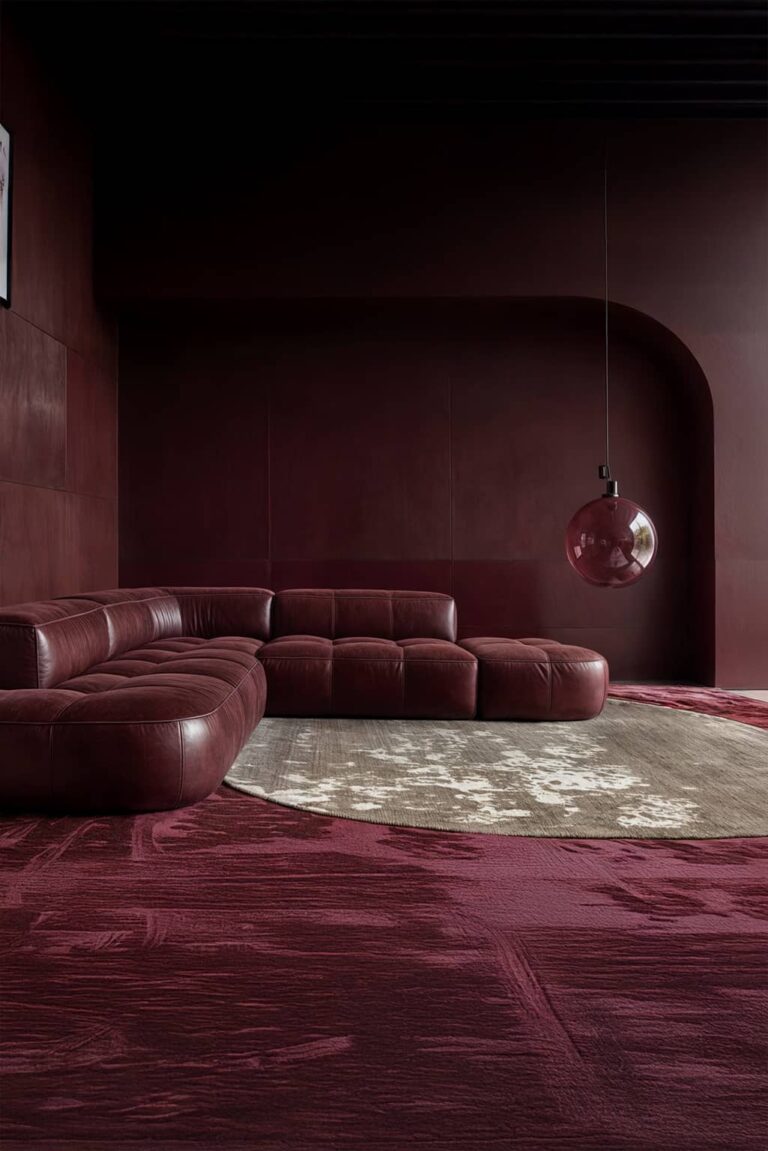
Transform Key Spaces with the Bold Impact of Minimalist Rugs
In the world of interior design, the foundation of a well-styled home begins underfoot. Rugs not only offer warmth and comfort, but they also visually anchor each room, setting the tone for the design narrative that follows. In this home, the thoughtful use of minimalist rugs adds both function and finesse, with some rooms embracing their soft luxury, and others letting the flooring breathe in clean, open simplicity. Here’s how minimalist rugs elevate and define the home’s personality.
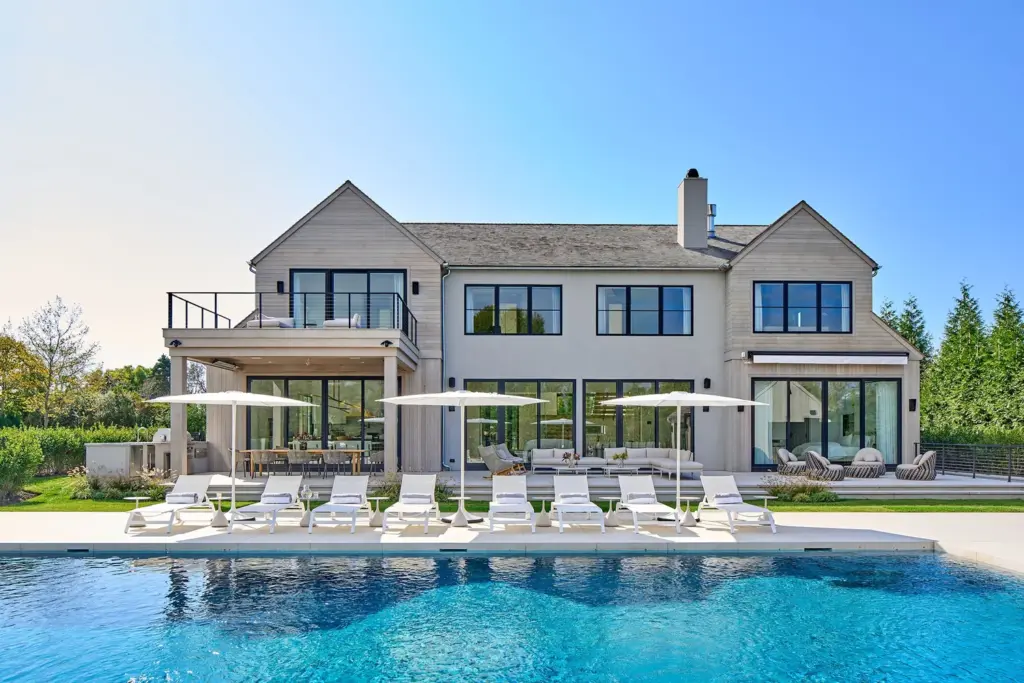
Entry & Hallway: Clean Lines, No Distractions
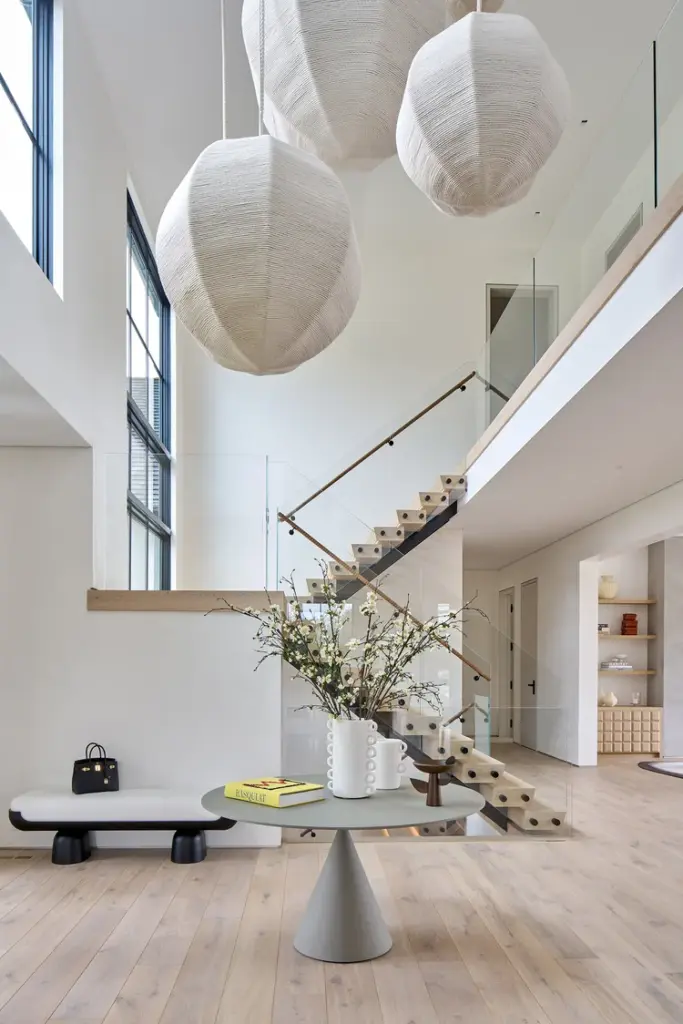
The entryway and hall act as the home’s first impression — a transition space that sets the mood for what lies beyond. Here, the absence of a rug is intentional. With wide-plank, pale wood flooring and sharp architectural lines, the space remains grounded and uncluttered. The design choice leans into minimalism, allowing the natural light and sculptural furniture to take center stage without interruption. Simplicity evokes a sense of calm and openness that welcomes guests without overwhelming the senses.
Living Room: Sculptural Seating Meets a Flowing Minimalist Rugs
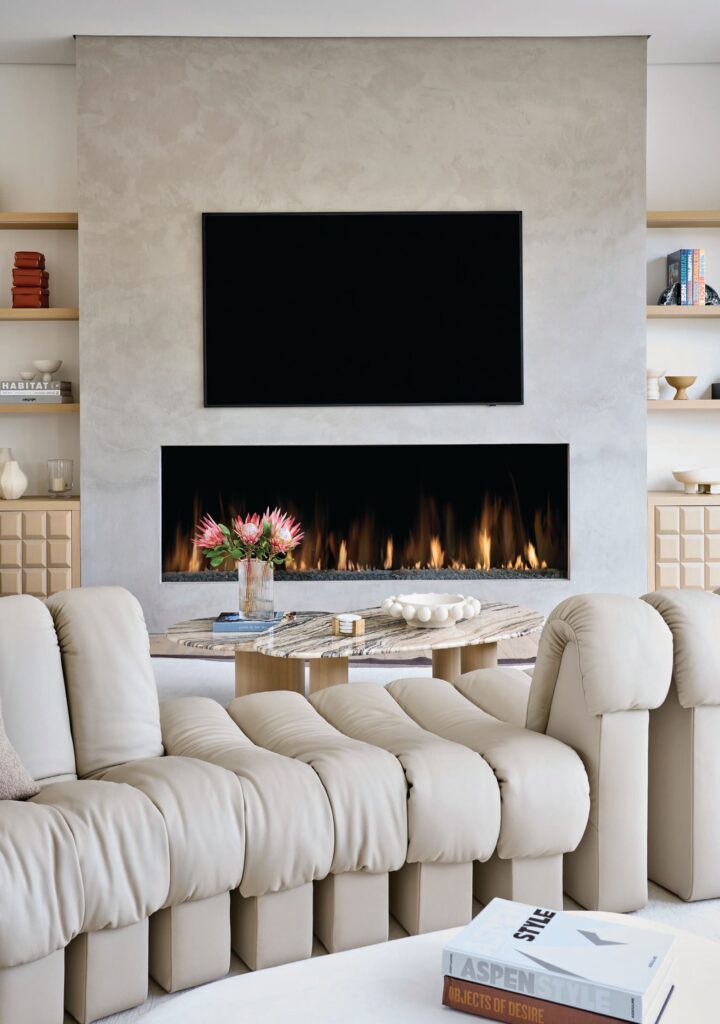
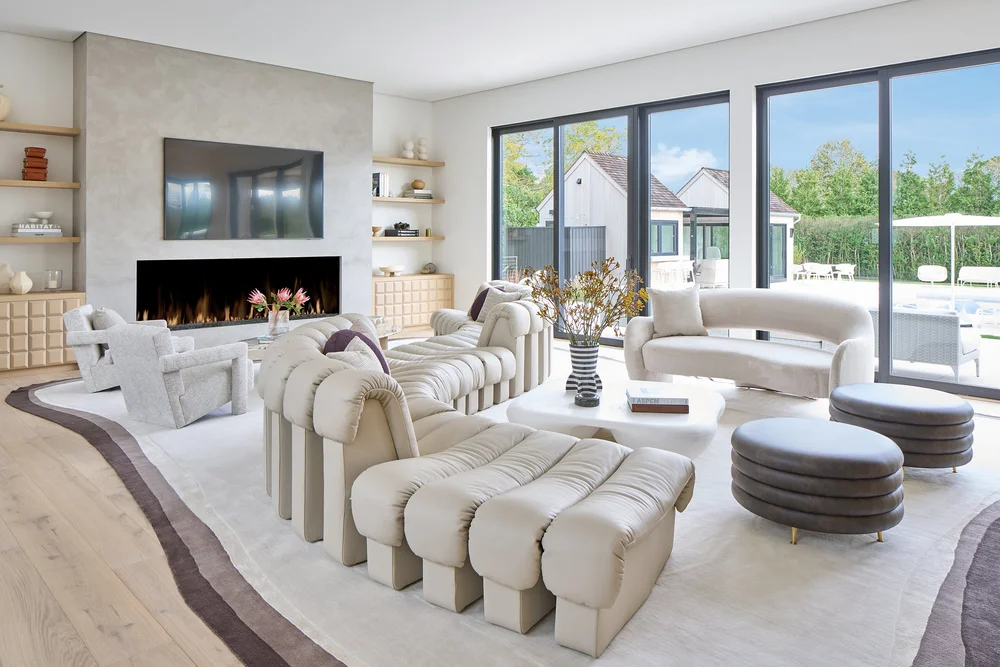
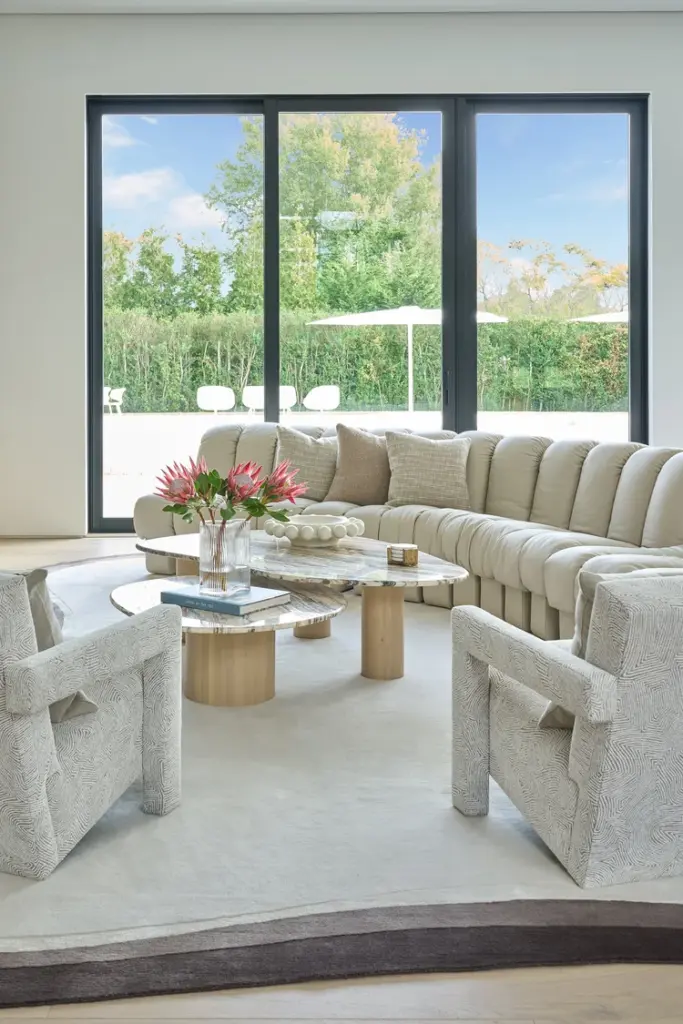
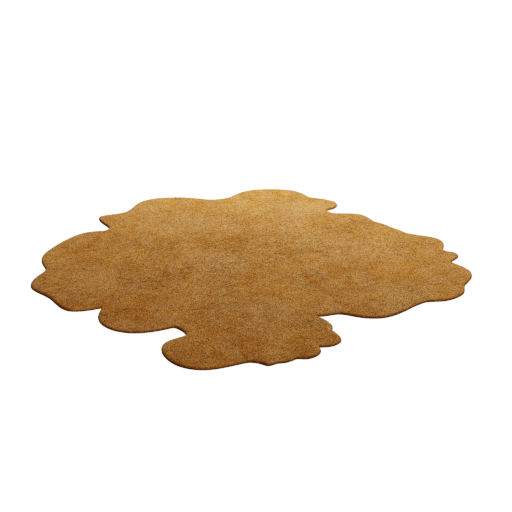
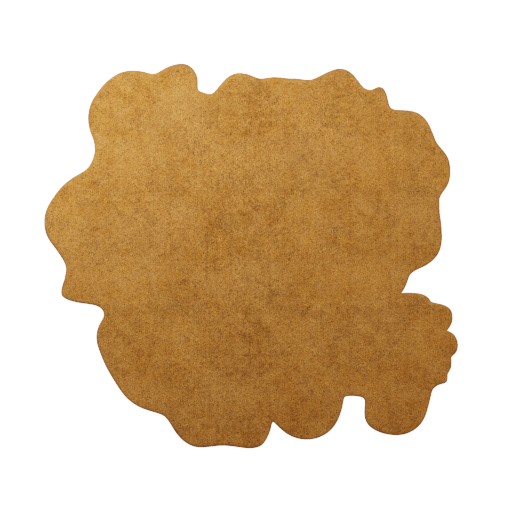
Step into the living room, and you’re immediately drawn to the organically shaped, cream-toned minimalist rug that unites the space. This oversized piece, soft but firm in design, follows a subtle, wave-like path that echoes the fluidity of the furnishings. It isn’t just decoration — it’s spatial choreography.
The rug acts as a visual border, gently corralling a luxurious arrangement of sculptural furniture: cloud-like modular sofas with pleated textures, cozy armchairs in textured ivory boucle, and oval ottomans in smooth leather. Everything rests comfortably within the rug’s neutral yet expressive frame.
A statement fireplace and floating shelves provide architectural rhythm, but it’s the minimalist rugs that ensure cohesion. Its curved form softens the room’s modern geometry, adding a quiet sophistication that doesn’t compete for attention. Instead, it complements.


Kitchen: Rug-Free for Good Reason
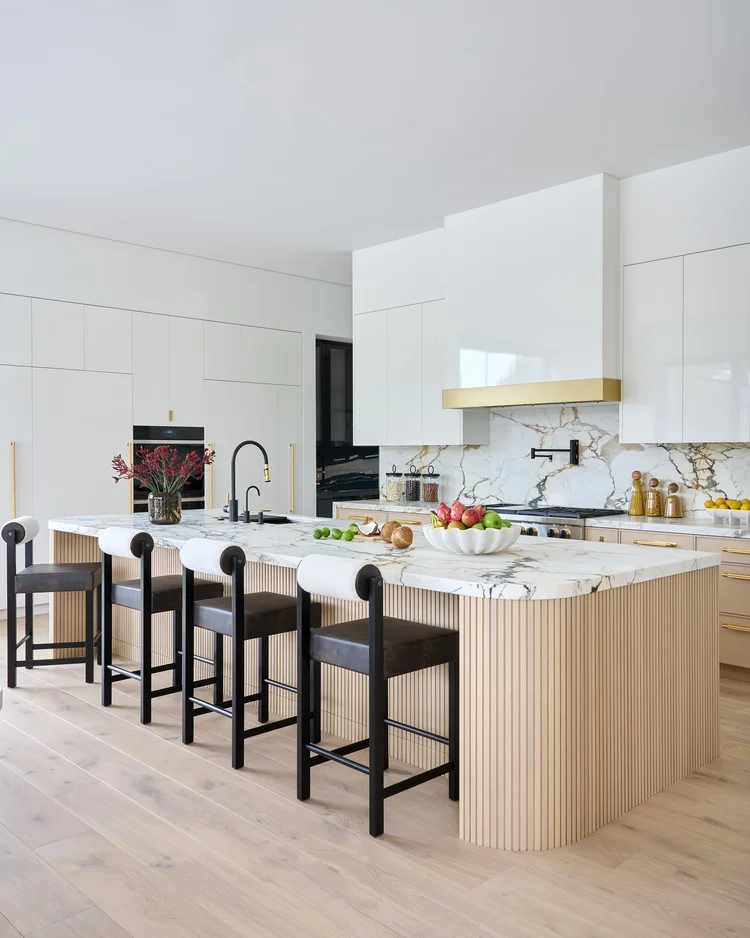
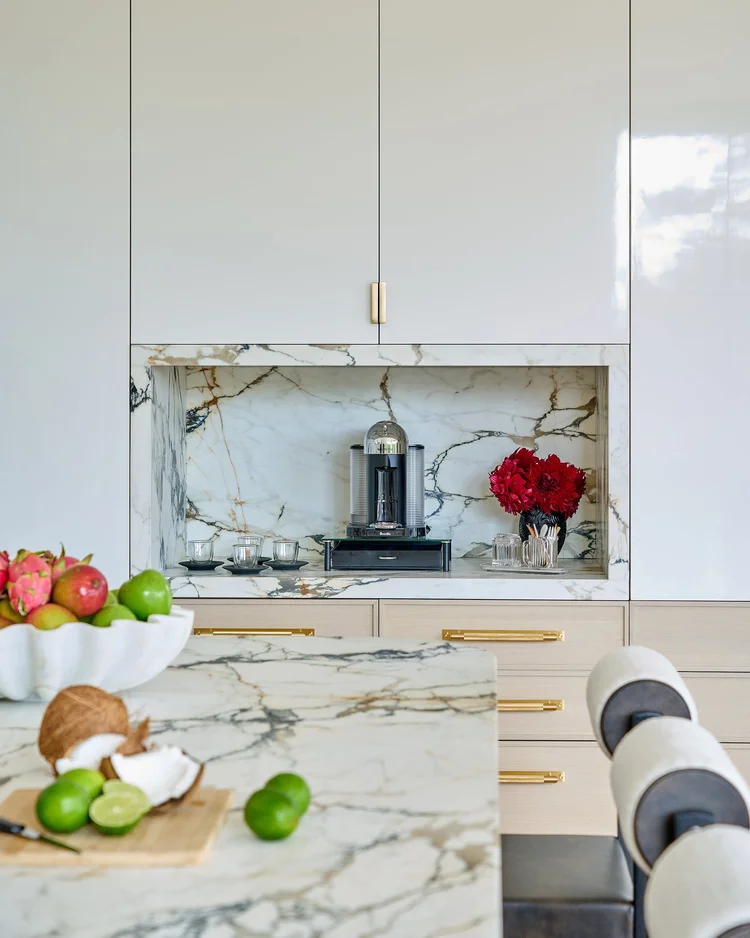
In the kitchen, functionality takes precedence — and rightly so. The absence of a rug here enhances hygiene, practicality, and visual flow. The open layout is punctuated by monolithic counters, sleek cabinetry, and carefully placed bar stools, all of which benefit from a clean, uninterrupted surface beneath.
This rug-free approach supports the minimalist aesthetic while maintaining a sense of spatial clarity. The room still feels warm, thanks to natural materials and ambient lighting, but it avoids the visual clutter that rugs can sometimes introduce in utilitarian areas. Instead, the beauty is in the craftsmanship and simplicity of the space itself.
Dining Room: A Bare Canvas of Modern Elegance
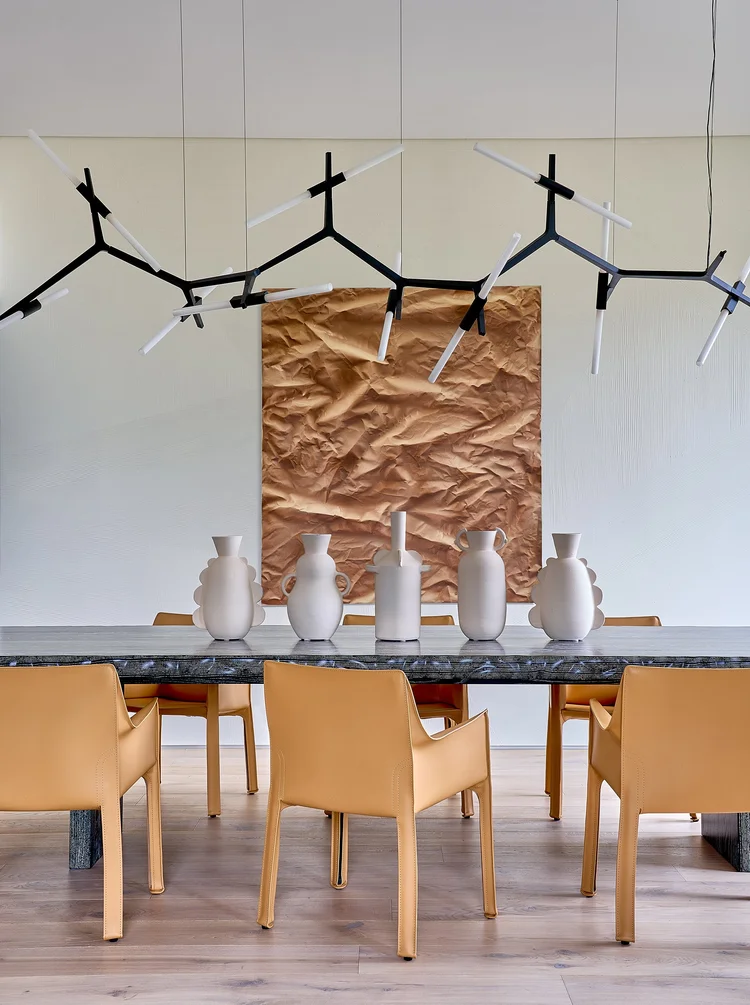
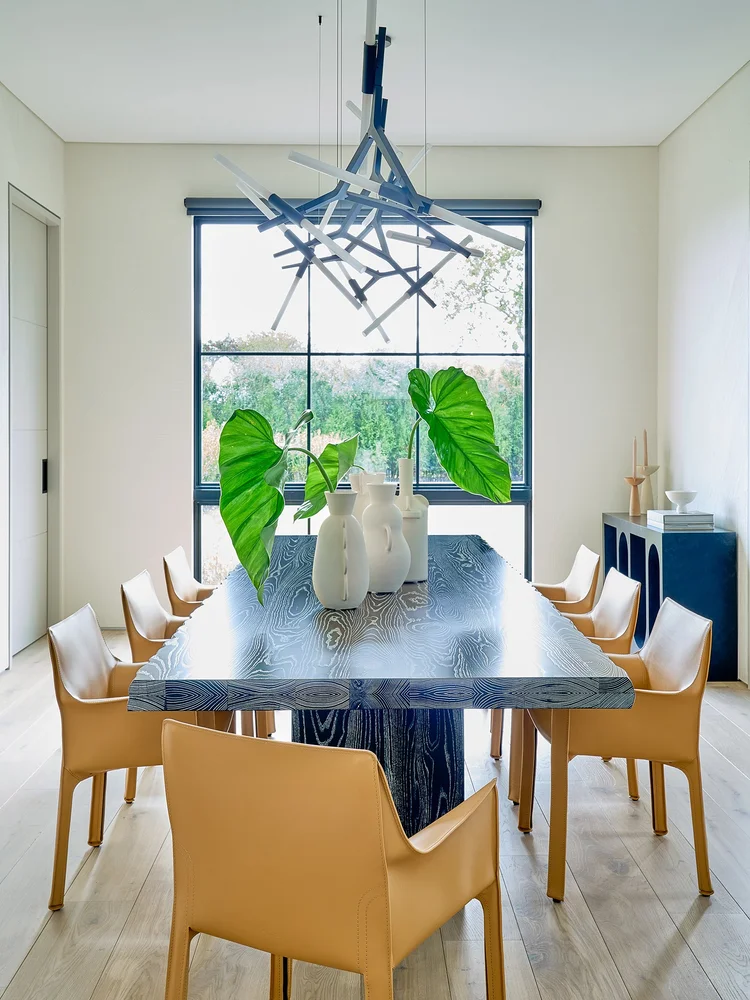
Like the kitchen, the dining area opts for restraint. There’s no rug here either — a deliberate choice that gives the table and chairs a floating appearance on the smooth wooden floor. With floor-to-ceiling windows providing natural light, the space breathes.
This open approach allows the dining set’s modern silhouette — sculptural legs and refined upholstery — to command attention without needing a grounding element. The lack of a rug provides for easy movement, cleanliness, and a seamless connection to the outdoor views beyond.
Family Room: Bold Color and Texture Underfoot
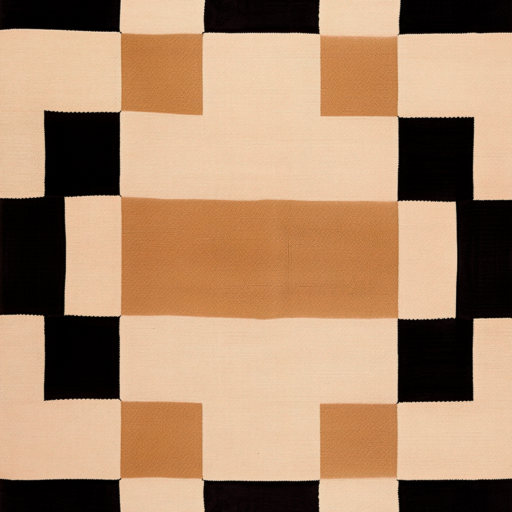
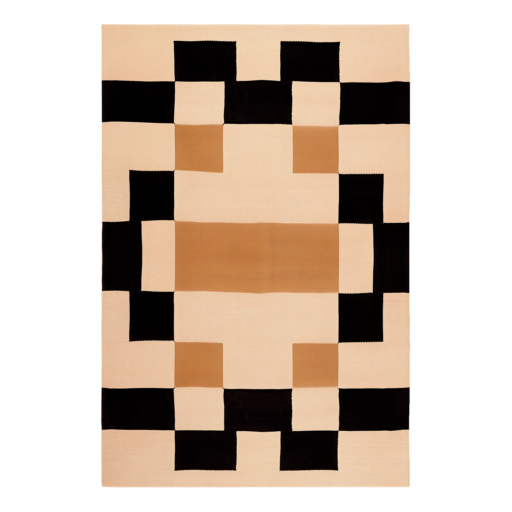
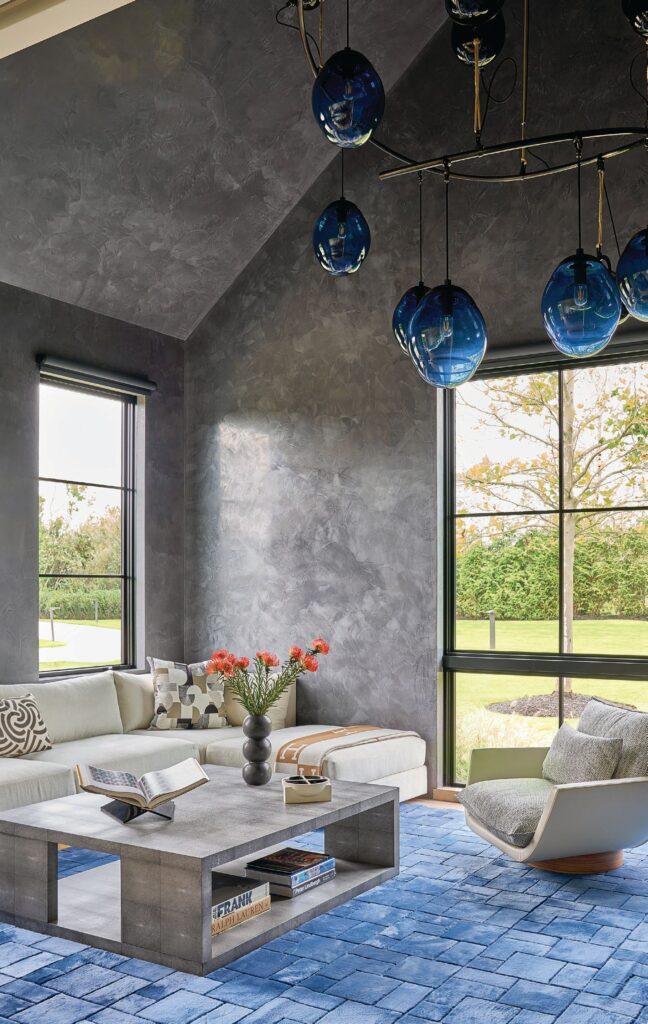
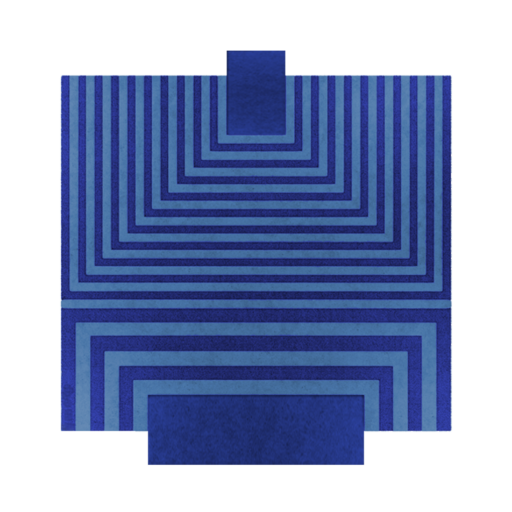
The family room shifts gears completely. Vivid minimalist rugs in deep sapphire blue transform this space into a rich sensory experience. Rather than intricate patterns or ornamental details, the rug draws power from tone and texture — large block-like patches mimic cobblestone but in plush, luxurious fabric.
It’s a dramatic contrast to the cool gray Venetian plaster walls and matte surfaces. The modern low-slung sectional, adorned with geometric cushions, hugs the perimeter of the rug, creating a cozy texture and color. A concrete coffee table adds industrial balance, while blue pendant lights overhead echo the tones below.
This is where the rug becomes more than just decor — it defines the room’s personality. It’s still minimalist in design — no busy patterns, no fringe — but maximal in impact true testament to the power of a minimalist rug to shape a room’s identity.
Bathroom: Follows Function
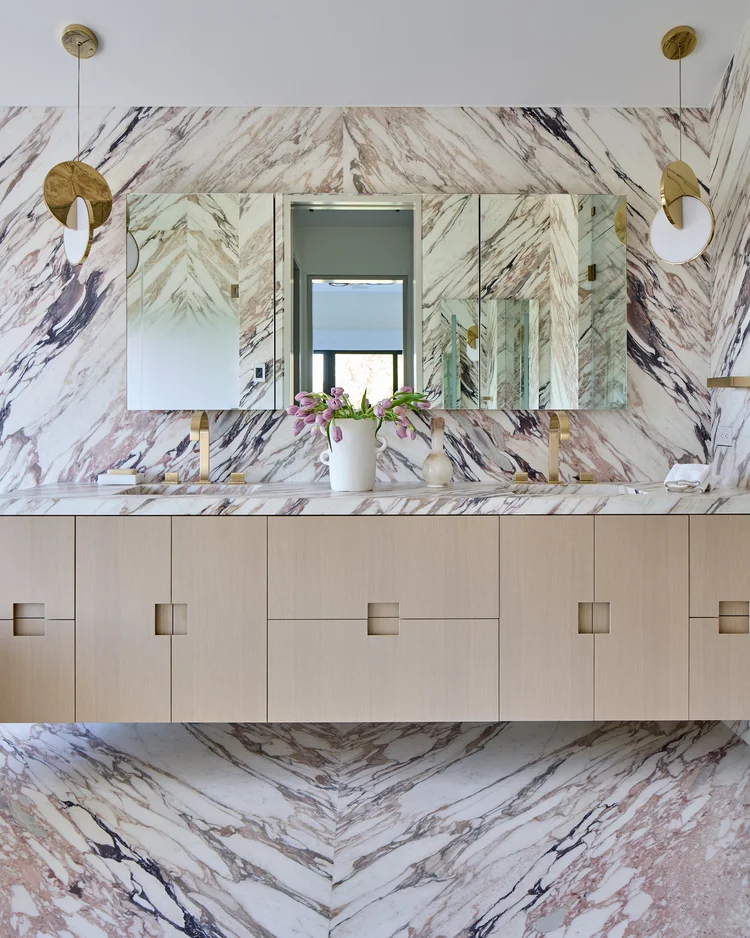
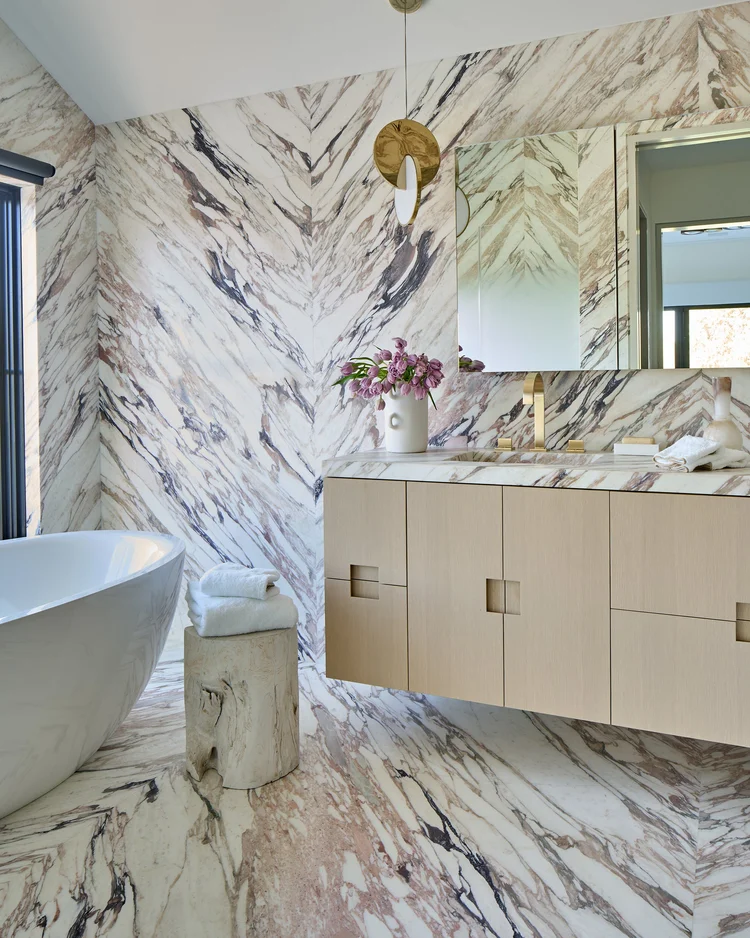
In the bathroom, practicality meets elegance, and the absence of a rug reflects that. Here, high-end materials like marble, brushed nickel, and oversized tiles take center stage. Without a carpet, the space feels sleek, hygienic, and architectural.
Towels, bathmats, and storage offer moments of softness, but the overall design language speaks to purity and control. Going rug-free here not only ensures ease of cleaning but also aligns with the minimalist ethos that runs throughout the home.
Bedroom: Grounded in Calm
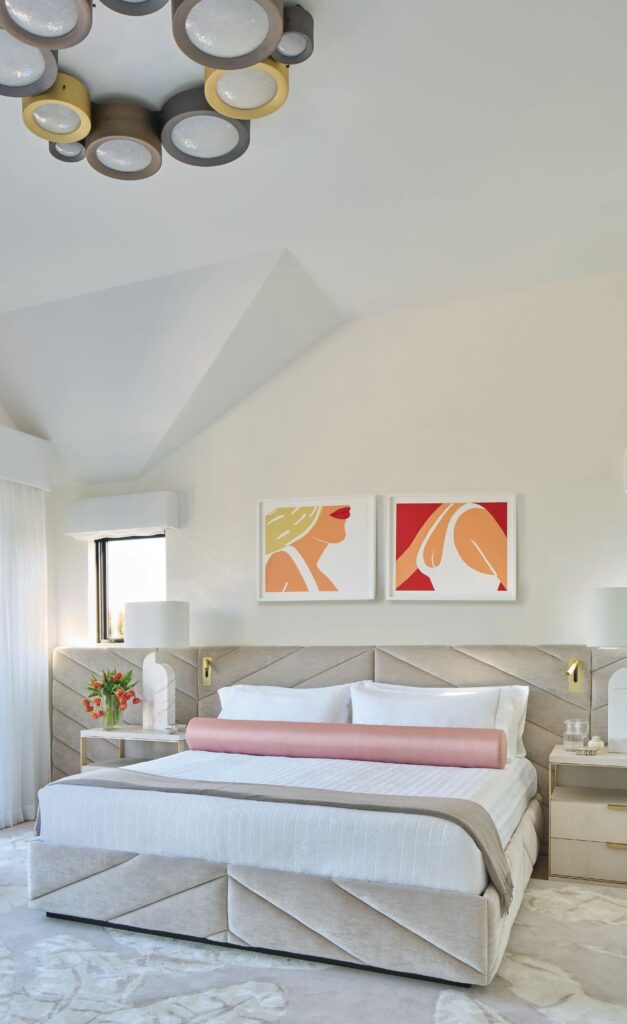
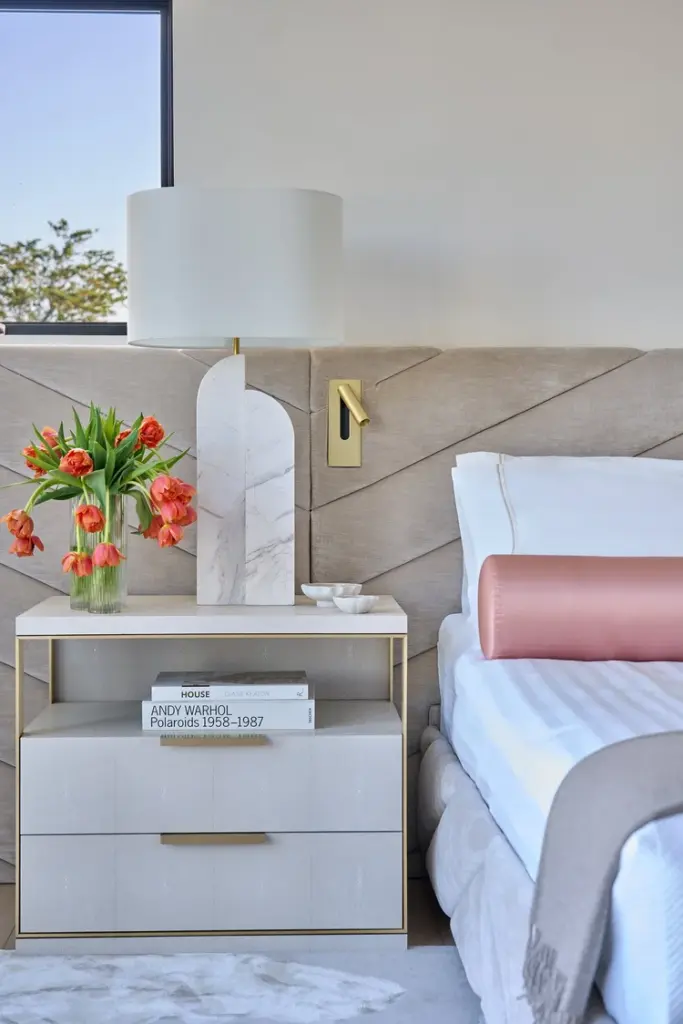
In the bedroom, a soft, minimalist rugs anchor the space with quiet elegance. Its pale, low-pile texture blends seamlessly with the upholstered bed and neutral palette, creating a cohesive and calming foundation. The rug’s subtle organic pattern mirrors the curves seen throughout the room — from the sculptural ceiling light to the rounded bolster pillow — adding visual softness without distraction.
By extending beneath the bed and side tables, it defines the layout while enhancing comfort underfoot. It’s not a focal point, but a finishing touch — grounding the room in serenity and supporting its restful, refined atmosphere.
Minimalist Rugs as a Design Hero
From subtle, tone-on-tone palettes to bold injections of color, the minimalist rugs prove their versatility across multiple environments. Whether it’s shaping the living room‘s seating layout, adding richness in the family room, or leaving space to breathe in high-traffic areas like the kitchen and entry, the rug (or the decision to omit it) is never accidental.
In modern interiors like this one, minimalist rugs are more than a decorative afterthought. It’s a strategic design tool — balancing visual weight, enhancing tactile comfort, and tying architectural elements together without overwhelming the space.
Why Less Is More with Minimalist Rugs
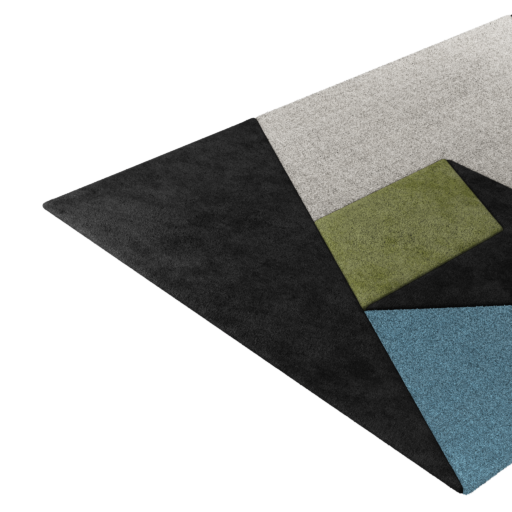
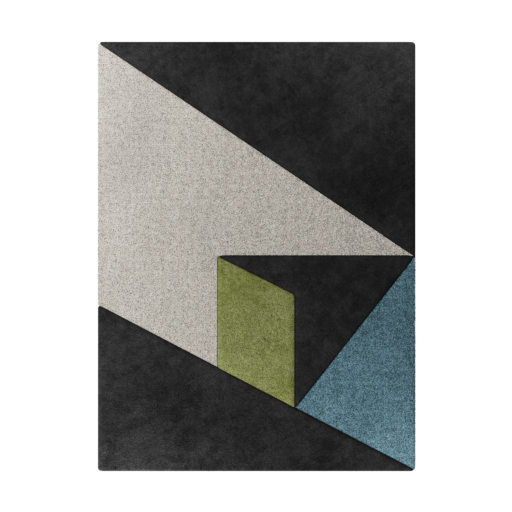
This home showcases a refined approach to layering, where minimalist rugs act as both grounding elements and sculptural statements. By incorporating minimalist rugs thoughtfully and sparingly, each space is allowed to breathe, evolve, and express its rhythm.
Whether it’s the absence of a rug that speaks volumes or the quiet elegance of one that subtly elevates a room, the result is a modern home that’s balanced, intentional, and deeply livable.
Inspired by the quiet elegance of minimalist rugs? Explore Tapis Studio’s curated collection to bring the same sense of depth, warmth, and intentional design into your own home.
Source: www.michellegerson.com